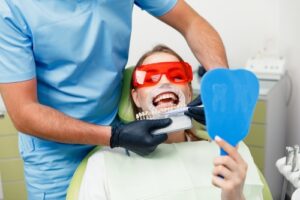
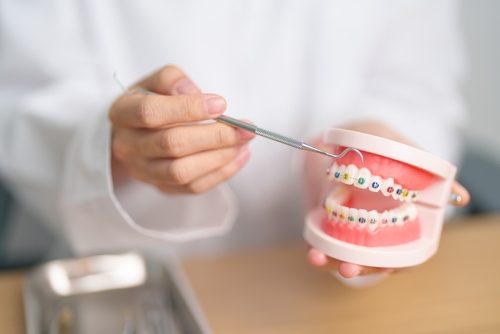
Pediatric Dentistry: Ensuring Healthy Smiles for Children

Pediatric dentistry is a specialized branch of dentistry focused on the oral health of infants, children, and adolescents. It plays a crucial role in preventive care, early detection of dental issues, and the development of good oral hygiene habits from a young age. Pediatric dentists are trained to handle the unique dental needs of children, making visits to the dentist a positive and educational experience.

Importance of Pediatric Dentistry

Early dental care is essential for maintaining a child’s oral health and preventing future dental problems. Pediatric dentists help in:

  • Preventing Cavities and Tooth Decay: Early intervention reduces the risk of cavities, which can impact overall health and development.
  • Monitoring Oral Development: Regular check-ups ensure proper growth of teeth and jaw alignment.
  • Establishing Good Oral Hygiene Habits: Teaching children proper brushing, flossing, and dietary habits helps maintain lifelong oral health.
  • Reducing Dental Anxiety: Positive early experiences at the dentist can prevent fear and anxiety in later years.

Common Pediatric Dental Treatments

Pediatric dentists offer various treatments to address and prevent dental issues, including:

1. Dental Exams and Cleanings

Routine check-ups and cleanings help detect and prevent oral health problems before they become severe.

2. Fluoride Treatments

Fluoride applications strengthen enamel and protect against cavities, especially in children prone to tooth decay.

3. Dental Sealants

Sealants are thin protective coatings applied to the chewing surfaces of molars to prevent decay.

4. Cavity Fillings

If cavities develop, fillings restore the tooth’s structure and prevent further decay.

5. Orthodontic Assessments

Early evaluation of teeth alignment can determine if future orthodontic treatment, such as braces, may be necessary.

6. Space Maintainers

When a child loses a baby tooth prematurely, space maintainers help keep the gap open for proper eruption of permanent teeth.

Tips for Maintaining Children’s Oral Health

Parents play a key role in ensuring their child’s dental health. Some essential tips include:

  • Encourage Regular Brushing and Flossing: Supervise children’s oral care routines until they can brush and floss effectively on their own.
  • Limit Sugary Foods and Drinks: Excess sugar can lead to cavities; encourage healthy snacks and water consumption.
  • Schedule Regular Dental Visits: Early and routine visits help prevent and address potential dental issues.
  • Use Child-Friendly Dental Products: Soft-bristled toothbrushes and fluoride toothpaste designed for kids make brushing more effective and enjoyable.

Conclusion

Pediatric dentistry is vital for setting the foundation for a lifetime of good oral health. With regular dental check-ups, preventive care, and healthy habits, children can maintain strong and healthy teeth as they grow. Visiting a pediatric dentist ensures that children receive specialized care tailored to their developmental needs, leading to brighter smiles and better overall health.
Improving Confidence and Smiles with Cosmetic Dentistry

The goal of cosmetic dentistry is to enhance the appearance of the teeth, gums, and entire smile. Many cosmetic procedures are now possible due to advancements in dental technology, giving people a more appealing and self-assured smile. While traditional dentistry focuses mostly on oral health and functionality, cosmetic dentistry aims to improve the aesthetics of a person’s teeth.

Typical Procedures in Cosmetic Dentistry

Numerous cosmetic dentistry procedures address various aesthetic concerns:

1. Whitening of Teeth

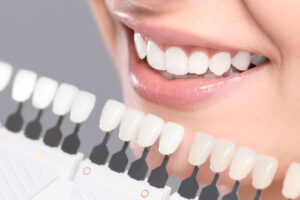
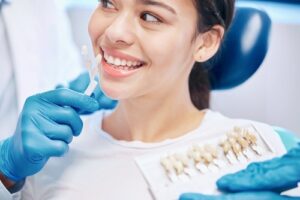
One of the most common cosmetic dentistry procedures is teeth whitening. It aids in the removal of stains caused by aging, smoking, food, and drink. Compared to over-the-counter whitening treatments, professional whitening performed by a dentist yields more effective and long-lasting results.

2. Veneers for Teeth

Veneers are thin, custom-made shells applied to the front of teeth to improve their alignment, size, color, and shape. They are an excellent option for individuals with discolored, chipped, or slightly misaligned teeth.

3. Bonding of the Teeth

Applying a tooth-colored resin to fix minor flaws like chips, cracks, or gaps is known as dental bonding. A special light is used to mold and harden the material, allowing it to blend seamlessly with natural teeth.

4. Implants for Teeth

Dental implants provide a permanent solution for missing teeth. They consist of titanium posts surgically inserted into the jawbone to provide a strong foundation for artificial teeth. Implants help preserve facial structure and prevent bone loss while restoring both function and appearance.

5. Orthodontics and Invisalign

Invisalign and other clear aligners offer a discreet and comfortable alternative to traditional metal braces for straightening teeth. This treatment is most beneficial for individuals with mild to moderate misalignment issues.

6. Contouring the Gums

Gum contouring reshapes the gum line to create a balanced appearance between the teeth and gums. It is particularly beneficial for individuals with excessive or uneven gum tissue that affects the aesthetics of their smile.

7. Crowns for Teeth

Crowns are used to restore the appearance and function of damaged or decayed teeth. They offer durability and a natural look, as they are made from materials such as metal, porcelain, or ceramic.

Advantages of Cosmetic Dentistry

Beyond aesthetics, cosmetic dentistry offers numerous benefits:

  • Increased Confidence: A beautiful smile boosts confidence and self-esteem in social and professional settings.
  • Better Oral Health: Some cosmetic procedures, such as treating decay and misalignment, contribute to improved oral health.
  • Long-Lasting Effects: Cosmetic treatments provide long-lasting improvements with proper maintenance.
  • Improved Functionality: Procedures like crowns and dental implants enhance chewing and speaking abilities.
  • Younger Appearance: A brighter, more even smile contributes to a more youthful and vibrant look.

Risks and Considerations

Before undergoing cosmetic dental procedures, individuals should consider the following:

  • Cost: Many cosmetic procedures are not covered by insurance and can be expensive.
  • Maintenance: Some treatments, such as veneers and teeth whitening, require ongoing upkeep or replacement.
  • Potential Sensitivity: Procedures like teeth whitening and veneers may temporarily increase tooth sensitivity.
  • Qualification of the Dentist: Choosing a skilled and experienced cosmetic dentist is crucial for achieving optimal results and ensuring safety.

Conclusion

Cosmetic dentistry plays a vital role in enhancing smiles and confidence. Individuals can achieve a brighter, more attractive smile through procedures such as veneers, implants, orthodontics, and teeth whitening. Consulting with a qualified cosmetic dentist is the best way to determine the ideal treatment plan for achieving a lifetime of healthy, radiant smiles

Veneers: The Ideal Way to Get a Perfect Smile

A stunning grin can improve attractiveness and greatly increase self-confidence. Veneers are among the most often used cosmetic dentistry procedures to create the ideal smile. Veneers are thin, precisely crafted shells that are applied to the front of teeth to enhance their size, color, form, and general appearance.

Veneer Types

Veneers come in a variety of forms, each meeting distinct requirements and tastes:

1. Veneers Made of Porcelain

The most popular and long-lasting option is porcelain veneer. They have a natural tooth-like look and are very stain-resistant. They are manufactured to order to precisely match the patient’s smile and require minor enamel removal for good bonding.

2. Veneers Made of Composite Resin

Composite veneers are less expensive than porcelain and are composed of tooth-colored resin. They can be applied in a single visit and need very little enamel removal. They are more likely to get stained, though, and could not last as long as porcelain veneers.

3. Veneers Without Prep

Lumineers and other ultra-thin veneers that require little to no enamel removal are known as no-prep veneers. For individuals seeking a less invasive and reversible procedure, they are a good choice. They might not be appropriate for people with significant dental flaws, though.

The Process of Veneers

Getting veneers usually entails the following steps:

  1. Consultation: To ascertain whether veneers are the best option, the dentist assesses the patient’s oral health and talks about the intended result.
  2. Preparation: To make room for the veneers, a tiny bit of enamel is scraped off the front of the teeth. After that, impressions are made to make personalized veneers.
  3. Fabrication: It could take a few weeks for the veneers to be created at a dental lab.
  4. Placement: A special glue is used to adhere the veneers to the teeth, and any required changes are done to ensure a flawless fit.
  5. Final Touches: The veneers are polished by the dentist to guarantee a smooth and natural look.

Veneers’ Advantages

Veneers are a common option for improving smiles because of their many advantages:

  • Better Aesthetics: Veneers make a smile look more appealing by filling in gaps, fixing broken teeth, discolouration, and small misalignments.
  • Durability: With the right maintenance, porcelain veneers in particular can endure for ten to fifteen years or longer.
  • Stain Resistance: Porcelain veneers are resistant to food and drink stains, in contrast to natural teeth.
  • Minimal Maintenance: Veneers can be maintained with just routine brushing, flossing, and dental exams.
  • Immediate Transformation: Unlike orthodontic treatments that take months or years, veneers offer an improvement right away.

Possible Hazards and Things to Think About

Although veneers have many benefits, there are a few possible hazards and things to keep in mind:

  • Irreversible Process: Since enamel removal is irreversible, the procedure cannot be reversed.
  • Sensitivity: A brief sensitivity to hot or cold temperatures may be experienced by certain patients.
  • Potential Damage: Despite their durability, veneers may chip or shatter when subjected to severe force, necessitating replacement or repair.
  • Cost: Because they must be custom-fabricated, veneers, particularly porcelain ones, can be pricey.

Tips for Maintaining Veneers

Use these upkeep suggestions to make sure veneers stay in top shape:

  • Brush and floss every day to maintain healthy dental hygiene.
  • To avoid harm, refrain from chewing hard items like pen caps or ice.
  • Restrict your intake of foods and beverages that can discolor composite veneers.
  • If you grind your teeth at sleep, wear a mouthguard.
  • See the dentist on a regular basis for examinations and expert cleanings.

Conclusion

One of the best cosmetic dentistry options for getting a perfect smile is veneers. People can select the type that best fits their needs from a variety of possibilities. Although there are some precautions and the treatment is irreversible, for many people the advantages greatly exceed the disadvantages. The best approach to find out if veneers are the greatest option for improving your smile and increasing your confidence is to speak with a knowledgeable dentist.

Getting a Brighter, Healthier Smile with Teeth Whitening

A brilliant white smile is frequently linked to confidence, beauty, and proper dental care. One of the most common cosmetic dentistry procedures nowadays is teeth whitening, which helps people improve their smiles by getting rid of discolouration and stains. Given the wide range of teeth-whitening possibilities available, including at-home and professional treatments, it’s critical to comprehend the advantages, dangers, and recommended procedures.

Reasons for Discoloration of the Teeth

Knowing the causes of tooth discoloration is crucial before thinking about teeth whitening. Teeth discoloration and yellowing are caused by a number of circumstances, including:

  • Food and Drink: Over time, the pigments in coffee, tea, red wine, and dark-colored drinks can discolor tooth enamel.
  • Smoking and Tobacco Use: Tobacco’s tar and nicotine produce stubborn, deep stains.
  • Bad Oral Hygiene: Insufficient brushing and flossing cause tartar and plaque to accumulate, which discolors teeth.
  • Aging: The yellowish dentin underneath becomes more apparent when enamel deteriorates with age.
  • Medication: Tooth discolouration can result from taking some antibiotics, antihistamines, and high blood pressure drugs.
  • Genetics: Due to hereditary causes, some people naturally have whiter teeth than others.

Options for Professional Teeth Whitening

The most dependable results for people looking for quick and efficient teeth whitening are from expert procedures carried out by a dentist at https://ardenmillfamilydentistry.com. The following are a few of the most popular professional whitening techniques:

1. Whitening in the Office

Dentists utilize high-concentration bleaching substances in conjunction with specialist tools like lasers or LED lights to speed up the whitening procedure. In a single session, the procedure can lighten teeth by several shades and usually takes an hour.

2. Whitening Kits to Take Home

Dentists give their patients professional-grade whitening gel and specially designed trays to use at home. When used regularly, these kits provide progressive whitening over a few weeks with outcomes that are on par with in-office procedures.

Alternatives to Over-the-Counter Whitening Products

Because at-home whitening products are more convenient and reasonably priced, many people choose to use them. Common over-the-counter choices include:

1. Whitening Toothpaste

Whitening toothpaste helps eliminate surface stains by containing small amounts of bleaching chemicals and mild abrasives. Although they don’t significantly alter tooth color, they can help keep teeth white following a professional procedure.

2. Whitening Strips

These thin, flexible strips coated with a whitening gel based on peroxide are applied to the teeth for a specified amount of time, usually 30 minutes a day for two weeks. Although some users may experience irritation, they provide noticeable whitening results.

3. Pens and Gels for Whitening

Minor stains can be removed using whitening gels applied directly to teeth with a little brush or pen. Although these are simple to apply, they might not produce results as quickly as professional treatments.

4. Products Using Activated Charcoal

By absorbing stains, charcoal-based toothpaste and powders are said to whiten teeth. Their efficacy is still up for question, though, and overuse can erode enamel.

Natural Ways to Whiten Your Teeth

Here are some natural teeth-whitening techniques for people searching for chemical-free alternatives:

  • Hydrogen Peroxide and Baking Soda: A paste made with these ingredients can remove surface stains, but it should only be applied sparingly to avoid eroding enamel.
  • Oil Pulling: Swishing coconut oil in the mouth for ten to fifteen minutes is said to lower plaque and bacteria, enhancing dental health in general.
  • Consuming Crunchy Fruits and Vegetables: Celery, carrots, and apples all serve as natural teeth-cleaning abrasives.

Possible Hazards and Adverse Reactions

Although teeth whitening is usually harmless, using whitening solutions excessively can result in:

  • Tooth Sensitivity: Whitening products may momentarily increase a tooth’s sensitivity to heat or cold.
  • Gum Irritation: If bleaching agents come into contact with gum tissue, they may produce minor irritation.
  • Uneven Whitening: Crowns and fillings that are already in place do not whiten as naturally as natural teeth, giving the appearance of unevenness.
  • Damage to Enamel: Excessive use of teeth-whitening solutions can erode enamel, raising the risk of decay and cavities.

Advice on Keeping Your Smile White

Use these easy pointers to extend the results of teeth whitening:

  • Brush and floss regularly to avoid plaque accumulation.
  • Steer clear of foods and beverages that might discolor teeth, or use a straw to reduce tooth contact.
  • Reduce tobacco use and quit smoking.
  • Visit the dentist for routine professional cleanings and examinations.
  • As advised by your dentist, use touch-up procedures or whitening toothpaste.

Conclusion

Whitening your teeth is a great approach to improve your smile and increase your self-esteem. People can select a treatment that best fits their requirements and lifestyle from a range of possibilities, including natural therapies and expert treatments. To guarantee safe and long-lasting effects, it’s crucial to use whitening products sensibly and speak with a dentist. By practicing basic oral hygiene and making thoughtful food choices, you can maintain a radiant, healthy smile for many years to come.

Dentures: Regaining Confidence and Function

Dentures are detachable dental devices used to replace lost teeth and improve appearance and function. They are a good option for people who have lost teeth due to injury, illness, or aging. Thanks to recent developments in dentistry, dentures are now more functional, comfortable, and natural-looking than ever.

Denture Types

Dentures come in a variety of forms, each meeting distinct requirements:

1. Full Set of Dentures

When every tooth in the upper or lower jaw is lost, complete dentures are utilized. They are made up of an entire set of prosthetic teeth affixed on a gum-like acrylic foundation.

2. Partially Fitted Dentures

People who still have some natural teeth are the target audience for partial dentures. They are made up of artificial teeth that fill in the spaces in a metal or acrylic framework.

3. Dentures Supported by Implants

Dental implants inserted into the mandible serve as anchors for these dentures. They provide a more natural feel by increasing stability and preventing dentures from slipping.

4. Instant Dentures

Following tooth extraction, the patient can have teeth while the gums recover thanks to immediate dentures. As the mouth changes and heals, they might need to be adjusted.

Advantages of Dental Implants

  • Restored Chewing Ability: Dentures improve nutrition by enabling people to consume a greater range of foods.
  • Improved Speech: Dentures can help restore the clarity of speech that is impacted by missing teeth.
  • Better Aesthetics: Dentures keep the cheeks from drooping and restore face structure.
  • Increased Confidence: Social relationships and self-esteem are enhanced by a full, healthy smile.

How to Take Care of Dentures

Maintaining the durability and efficacy of dentures requires proper care:

  • Daily Cleaning: To get rid of food particles and plaque, dentures should be cleaned every day using a soft-bristle brush and non-abrasive cleanser.
  • Soaking Overnight: To preserve moisture and shape, dentures should be stored in water or a denture solution.
  • Frequent Dental Visits: Regular examinations guarantee a good fit and identify problems early.
  • Handling with Care: To prevent dropping or breaking dentures, handle them carefully.

Getting Used to Dentures

It takes time to become used to dentures, and there may be some initial discomfort. At first, patients may have trouble speaking and eating, mild discomfort, or increased salivation. The change can be made easier by practicing speech exercises, starting with soft meals, and following the dentist’s instructions.

Conclusion

For people who have lost teeth, dentures are a dependable and efficient way to restore both oral function and appearance. They can offer long-term advantages, enhancing confidence and quality of life, with the right maintenance and modifications. The best method to choose the best denture solution for a person’s needs is to speak with a dentist.

The Science of a Perfect Smile: Orthodontics

The specialty area of dentistry known as orthodontics is dedicated to identifying, preventing, and treating misaligned jaws and teeth. It is essential for maintaining good oral health and general well-being, assisting people in achieving both a lovely smile and better tooth function. Orthodontic technology has improved over time, making procedures more effective, pleasant, and aesthetically beautiful. 

The Value of Orthodontic Treatment

Orthodontic treatment is often thought of as having cosmetic advantages, but its importance extends beyond looks. By lowering the incidence of gum disease, tooth decay, and other dental issues, properly aligned teeth improve oral health. Uneven tooth wear, chewing difficulties, and even speech issues can result from misaligned teeth. Additionally, addressing biting problems might help avoid conditions like temporomandibular joint (TMJ) dysfunction and jaw pain.

Typical Orthodontic Problems

Orthodontic treatments can help with a number of dental issues, such as:

  • Excessive overlap between the upper and lower front teeth is known as an overbite.
  • When the lower teeth protrude past the upper teeth, it is called an underbite.
  • When some upper teeth are positioned inside rather than outside of lower teeth, this is known as a crossbite.
  • When biting, an open bite occurs when the top and lower front teeth are separated.
  • When there is not enough room for every tooth to fit correctly, this is known as crowding.
  • When there are spaces between teeth as a result of tiny or missing teeth, this is known as spacing.

Orthodontic Treatment Types

The severity of the problem and the patient’s preferences determine the course of orthodontic therapy. Among the most popular therapies are:

1. Conventional Braces

The most popular orthodontic therapy is metal braces. To gradually move teeth into the appropriate position, they are made up of metal brackets that are affixed to the teeth and connected by wires that are frequently adjusted. Even while they work well, they are frequently less popular for aesthetic reasons.

2. Braces made of ceramic

Ceramic braces use tooth-colored or clear brackets, which make them less obvious than regular braces. They work similarly to metal braces, although they look more understated.

3. Braces for Lingual

Since these braces are positioned on the inside of the teeth, they are essentially undetectable from the outside. Although they are tailored to each patient, their location may make them more difficult to get used to.

4. Invisalign Clear Aligners

A common contemporary substitute for braces are clear aligners. Teeth are gradually moved into position by these specially designed, detachable trays. Because they can be removed for meals and dental hygiene, they are pleasant, convenient, and almost undetectable. Wearing them for the suggested 20 to 22 hours a day, however, calls for self-control.

5. Keepers

Retainers are used to keep the teeth in their new place following orthodontic treatment. They aid in keeping teeth from moving back to their original places and can be repaired or removed.

Whitening of teeth

A common cosmetic dentistry operation, teeth whitening improves the brightness of teeth and gets rid of stains from smoking, food, drink, and aging. Professional whitening procedures can be carried out at a dentist facility or at home with over-the-counter whitening toothpaste, strips, and trays. Because professional treatments employ stronger bleaching agents, the results are usually speedier and more obvious. The results of teeth whitening can be extended by practicing good dental care and avoiding foods that discolor teeth.

The Procedure for Orthodontic Treatment

Several steps are involved in orthodontic treatment:

During the initial consultation, the orthodontist uses digital scans, photographs, and X-rays to assess the patient’s teeth, bite, and jaw alignment.

  • Treatment Planning: The orthodontist suggests the best course of action based on the diagnosis.
  • Appliance Placement: Care instructions are given together with the placement of braces or aligners.
  • Monitoring and Adjustments: Progress and required adjustments are guaranteed by routine examinations.
  • Phase of Retention: Retainers are employed to sustain the outcomes following active treatment.

Advantages of Orthodontic Therapy

There are many advantages to orthodontic treatment, including:

  • Better Oral Health: Because straight teeth are simpler to maintain, there is a lower chance of gum disease and cavities.
  • Improved Aesthetic Appeal: Self-esteem and confidence are increased by a grin that is properly positioned.
  • Improved Functionality: Resolving biting problems enhances jaw alignment, speaking, and chewing.
  • Future Problem Prevention: More serious dental issues later in life can be avoided with early orthodontic treatments.

In conclusion

Orthodontics is crucial for preserving oral health and general wellbeing, not just for getting the ideal smile. Nowadays, people of all ages can benefit from orthodontic care thanks to the variety of treatment options accessible. The first step to a happier, more self-assured smile is to speak with a skilled orthodontist.